

Categories
Coastal RegulationsImpact on La Jolla Homeowners of Coastal Zoning Laws
How do California coastal zoning laws affect La Jolla homeowners?
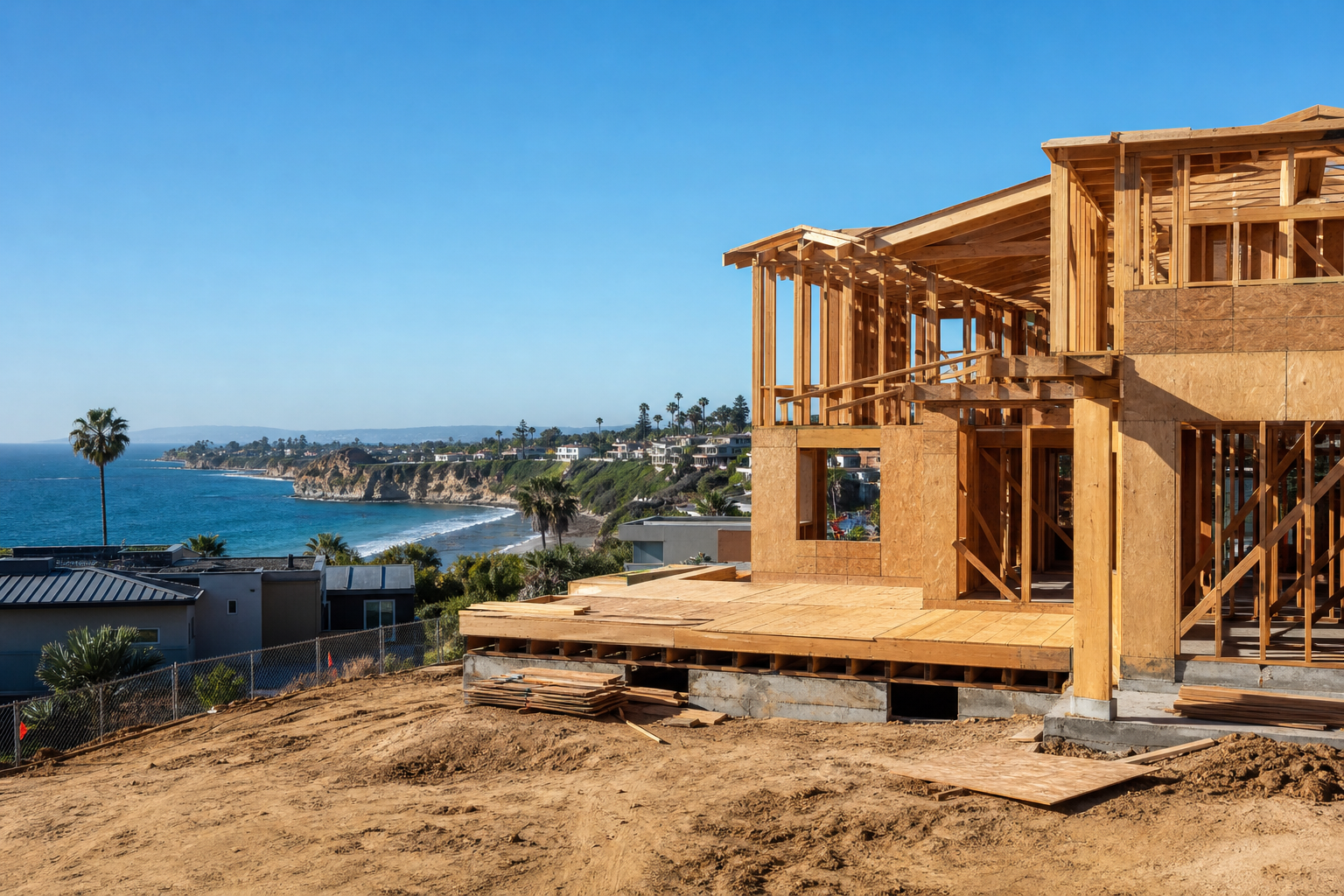
The impact on La Jolla homeowners is that most building, remodeling, and grading work in the coastal zone needs a Coastal Development Permit (CDP) in addition to your regular City of San Diego permits. For many La Jolla parcels, the City reviews that application first under its certified coastal program, and the Coastal Commission steps in for matters reserved to it and for appeals. Overlays, height limits, public views, and public access all shape what you can actually build.
Key Takeaways
- Recent local market data shows a La Jolla median sale price of $2,352,227 and a median of 44 days on market, so a permit surprise or redesign on a project here carries real money behind it.
- California law requires a CDP for development in the coastal zone in addition to any other local or state permits, and a CDP does not replace your building or grading permits.
- In areas with a certified Local Coastal Program, much of the CDP authority sits with the City of San Diego, while the Coastal Commission keeps authority over reserved matters and appeals.
- La Jolla parcels can sit under several overlapping controls at once, including the La Jolla Community Plan, the Coastal Overlay Zone, and the Coastal Height Limit Overlay Zone.
- Get a written applicability determination from the City before you assume your project is exempt.
Do I need a Coastal Development Permit for my La Jolla project, and who approves it?
If your project counts as "development" in the coastal zone, yes. Public Resources Code § 30600 requires a CDP for that development, in addition to any other permits required by local or state agencies. For many La Jolla projects, the City of San Diego handles the first review, not the Commission directly.
What counts as development?
It's broader than most owners expect. The California Coastal Commission describes the CDP as the tool it uses to bring proposed coastal development into compliance with the Coastal Act, and that includes residential construction, additions, remodels, grading, access changes, and other physical alterations.
The Coastal Act also doesn't hand every existing single-family home a blanket pass. It directs the Commission to specify by regulation which classes of improvements to existing single-family residences risk enough environmental effect to require a CDP. So don't assume a remodel is automatically exempt, and don't assume it automatically needs a permit either.
Scope drives the answer. In my experience, these are treated very differently:
- A small interior alteration
- An addition or a second story
- Demolition and replacement
- A major exterior remodel
- Grading or drainage work
- An accessory structure
- Seawall or shoreline work, or anything affecting public views
City or Coastal Commission?
Once the Commission certifies a Local Coastal Program, much CDP authority is delegated to the city or county. In San Diego, that means many La Jolla applications run through the City's planning and development process, sometimes alongside other discretionary approvals. The Commission keeps its role in reserved matters and in appeals.
Your first practical step is to have the City confirm your parcel's zoning and coastal-overlay designation, and to request a written determination on whether your project needs a CDP. I'd never rely on a contractor's verbal "you'll be fine."
What is the impact on La Jolla homeowners of overlays, public views, and access rules?
The impact on La Jolla homeowners is that a design that satisfies ordinary residential zoning can still need changes to satisfy coastal policy. Layered overlays and public-view and public-access review are the reason, and they apply even when your goal is a purely private project.
Overlapping controls on a single parcel
La Jolla sites are governed by the La Jolla Community Plan and Local Coastal Program, a coastal overlay zone, and, depending on location, specialized planned-district or base-zone rules. A recent City approval for 8303 La Jolla Shores Drive shows how stacked this can get. The City's resolution identified that site as being in the La Jolla Shores Planned District Single Family Zone, the Coastal Overlay Zone, the Coastal Height Limit Overlay Zone, and the La Jolla Community Plan area.
That's one site, not a map of every address. Your parcel may carry some of these designations, all of them, or others, so confirm your own. Depending on the combination, these controls can change allowable height, bulk, setbacks, grading, landscaping, and view protection. Some parcels may also face environmental or habitat-related controls.
Public views and public access
Coastal review isn't only about your lot. That same City approval states the proposed development would not encroach on existing or proposed public accessways and would enhance and protect public views to and along the coast. Those are the kinds of findings reviewers look for.
If your addition blocks a view corridor or touches a legally used or proposed accessway, expect redesign conversations. This is most important near the shoreline.
Can a La Jolla project be appealed to the Coastal Commission?
Sometimes. California law authorizes Commission review and appeals in specified circumstances under Public Resources Code § 30620. Whether your project is appealable depends on its mapped location, the type of project, and the decision being challenged. Ask the City to confirm the appeal classification instead of relying on the phrase "coastal property." The Commission also publishes its CDP application and appeal forms for reference.
How long will it take?
No single timeline fits every La Jolla project. An exemption, a ministerial permit, a discretionary CDP, a combined approval with a public hearing, and an appeal can produce very different schedules. Ask the City of San Diego Planning Department for a project-specific estimate, and plan your financing and move-out dates around that, not around a guess.
Expect to assemble a real record: site plans, elevations, photographs, grading or drainage information, a description of existing and proposed development, and analysis of the coastal and zoning policies that apply. The exact package depends on your parcel and project. This is the kind of thing I walk clients through before they hire an architect, not after.
How does coastal zoning affect La Jolla home values and resale?
Coastal rules can limit what you build, but they also protect the views, shoreline access, and scarcity that make coastal La Jolla valuable in the first place. I can't put a single dollar figure on the effect for your home. That depends on your parcel, your project, and current comparable sales, which is exactly what a local market analysis is for.
Here's the market context. Recent local market data shows a La Jolla median sale price of $2,352,227 across 128 homes sold in roughly the last 90 days, a median of 44 days on market, and 176 active listings. Those are area-level numbers, and an individual home's value depends on condition, street, build year, and timing. At that price level, a stalled permit or a forced redesign costs real money.
| Area | Median Sale Price | Median Days on Market |
|---|---|---|
| Mission Beach | $1,699,750 | 56 |
| Pacific Beach | $1,500,000 | 44 |
| La Jolla | $2,352,227 | 44 |
| Encinitas | $2,150,000 | 44 |
| Solana Beach | $2,000,000 | 50 |
| Del Mar | $3,900,000 | 47 |
| Mission Bay | $1,458,500 | 44 |
Should you remodel before you sell?
Not every project earns its keep. Before you commit to a large addition, weigh the coastal review you'll face against what the finished house will realistically bring back. A big build that needs a discretionary permit, design changes, and months of review can eat equity. My return-on-equity breakdown for coastal San Diego homes walks through that math.
What should buyers and investors check?
If you're buying, treat development potential as something to verify, not assume. Check the parcel's overlays, ask what permits exist for the work already done, and find out whether a plan you have in mind would trigger coastal review. Work done without a required permit can complicate a sale, so confirm the permit history early.
Whether a permit's conditions carry forward to a new owner depends on the specific permit, so pull the record from the City before you list or buy. For more on how these rules play out for income properties, see my post on coastal zoning rules for beachfront investors. For why the market rewards the area despite the constraints, read why La Jolla oceanfront homes command prices above the region.
FAQ
Do I need a Coastal Development Permit to remodel my La Jolla home?
It depends on the scope of the work. A CDP is required for development in the coastal zone, but the Coastal Act doesn't treat every improvement to an existing single-family home the same way. Get a written applicability determination from the City of San Diego before you assume you're exempt.
Does adding a second story in La Jolla require Coastal Commission approval?
A second story is an addition, and that's the kind of project that draws coastal review. Any review would usually start with the City, not the Commission directly. Height rules, such as the Coastal Height Limit Overlay Zone, and public-view protection are the usual pressure points, so check your parcel's designations before you design anything.
Who approves a coastal permit for a La Jolla property, the City or the Coastal Commission?
For many La Jolla projects, the City of San Diego reviews the application first under its certified Local Coastal Program. The Commission retains authority in matters reserved to it and in applicable appeals. Which path your project takes depends on the parcel and the type of approval.
How do public-view and public-access rules affect an addition near the coast?
They can shape the design. City approvals for La Jolla sites analyze whether development would interfere with public accessways and whether it protects public views to and along the coast. A plan that meets ordinary zoning can still need changes to satisfy those findings.
Can coastal zoning affect the resale value of a La Jolla property?
Yes, in both directions. Coastal controls can limit development options, and they also help preserve views, access, and the scarcity of coastal residential property. The effect on any one home is specific to its parcel and the current market, so I run it through comparable sales for each client.
Where to go from here
The impact on La Jolla homeowners comes down to knowing your parcel's overlays, your project's scope, and the review path before you spend on plans or make an offer. I work this coastal corridor every day, from La Jolla to Mission Beach, Pacific Beach, and Encinitas, and I can help you pressure-test a project or a purchase against the numbers. Schedule a consultation →
Equal Housing Opportunity. Regulated by the California Department of Real Estate. Each office is independently owned and operated. This article is general information, not legal, tax, or financial advice. Confirm your own situation with your closing agent, tax advisor, or lender, and confirm permit requirements with the City of San Diego.